Cannabis Environmental Control 101: Important Metrics That Get Plant Efficiency


Effective cannabis expansion depends greatly on accurate Greenhouse Dehumidifier. Knowledge from commercial grow operations continually shows that improved environmental conditions can raise produces by 15–30% while improving cannabinoid and terpene consistency. Knowledge how temperature, humidity, and CO₂ come together is required for growers aiming for expected, high-quality harvests.
Why Is Temperature Control Critical for Cannabis Growth?
Temperature immediately impacts photosynthesis, transpiration, and nutrient uptake. Market benchmarks suggest that a lot of cannabis strains perform best in just a day range of 22–28°C and a night selection of 18–22°C. Deviations beyond these ranges can reduce metabolic effectiveness by up to 20%.
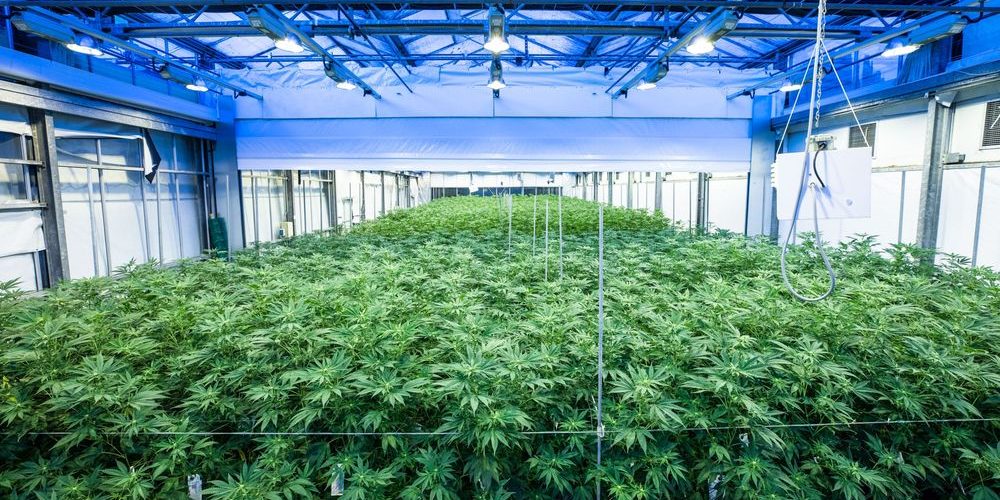
Through the vegetative point, slightly hotter conditions promote rapid leaf and base development. On the other hand, controlled chilling all through flowering helps protect terpene pages and resin production. Features that keep secure temperature differentials report more uniform plant structure and paid down stress-related issues.
How Does Humidity Affect Produce and Place Health?
Humidity management is one of the most statistically substantial facets in disease prevention. Reports across interior farming conditions show that incorrect general moisture is associated with around 70% of shape and mildew outbreaks.
Maximum moisture degrees range by development point:
Seedling and early vegetative phases take advantage of larger moisture, usually 60–70%.
Late vegetative growth functions properly about 55–60%.
Flowering phases require tighter control , frequently 40–50%, to safeguard rose quality.
Managing moisture with ventilation and temperature reduces condensation chance and helps steady transpiration rates. Grow rooms with automated humidity control methods constantly show lower plant reduction proportions year over year.
What Position Does CO₂ Play in Cannabis Output?
CO₂ enrichment has become a data-backed technique for maximizing output. Under maximum light and vitamin situations, raising CO₂ levels from ambient levels (~400 ppm) to managed stages of 1,000–1,500 ppm may boost photosynthetic rates by as much as 25%.
Nevertheless, CO₂ efficiency is immediately tied to heat and humidity. Without proper climate stability, raised CO₂ delivers decreasing returns. Qualified services monitor CO₂ in realtime to make sure enrichment aligns with plant need, avoiding pointless functioning costs.
How Do Temperature, Humidity, and CO₂ Perform Together?
These three parameters be a built-in program rather than isolated controls. For instance, larger CO₂ degrees allow plants to accept somewhat hotter conditions, while humidity must certanly be modified to keep up balanced transpiration. Statistical types found in modern grow procedures reveal that synchronized climate control may improve over all power performance by 10–18%.
Growers who count on data-driven climate methods record more regular crop rounds and improved product uniformity across batches.
What Will be the Long-Term Advantages of Enhanced Climate Control ?
Beyond immediate produce improvements, stable climate control supports scalability and compliance. Services with reported environmental reliability experience fewer creation distractions and more predictable operational planning. As time passes, that results in stronger edges and higher-quality outputs.
Conclusion
Temperature, humidity, and CO₂ are the inspiration of effective cannabis climate control. When handled applying measurable standards and integrated methods, they develop an atmosphere wherever flowers may reach their complete genetic potential. For professional growers, investing in precise climate administration is not just a complex choice—it's a proven pathway to regular performance and long-term success.